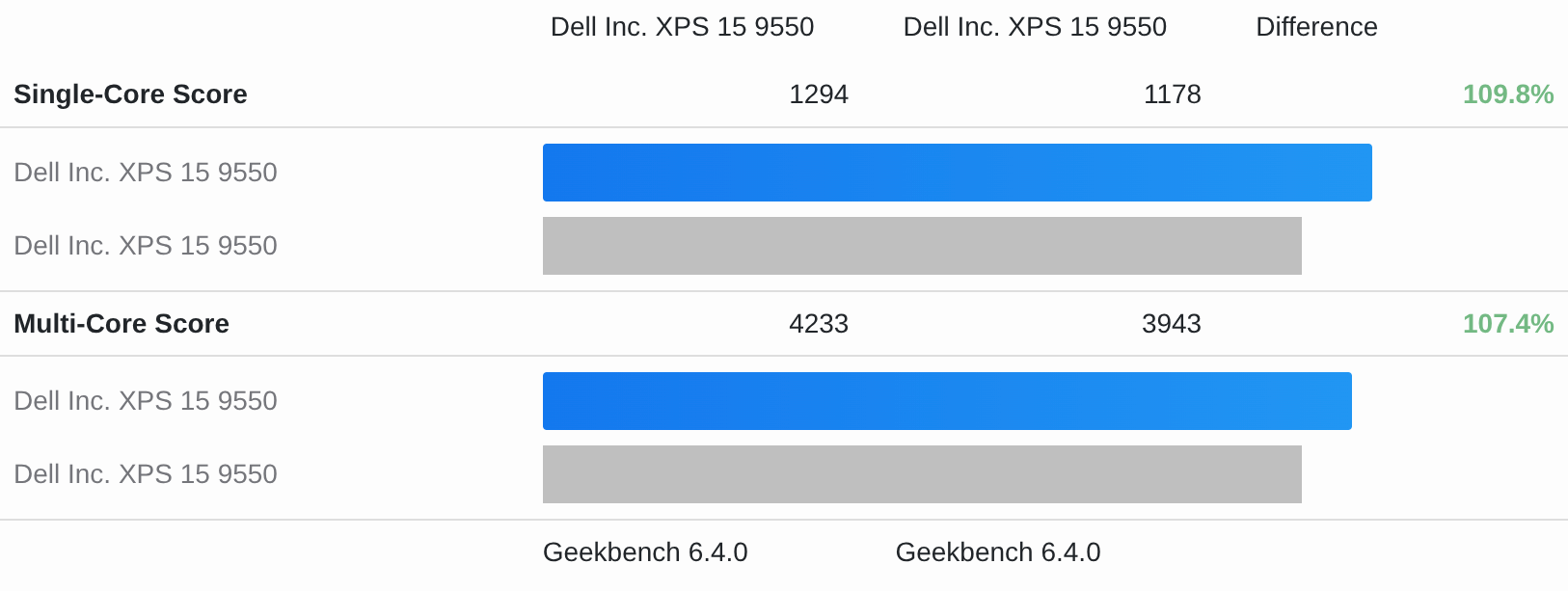
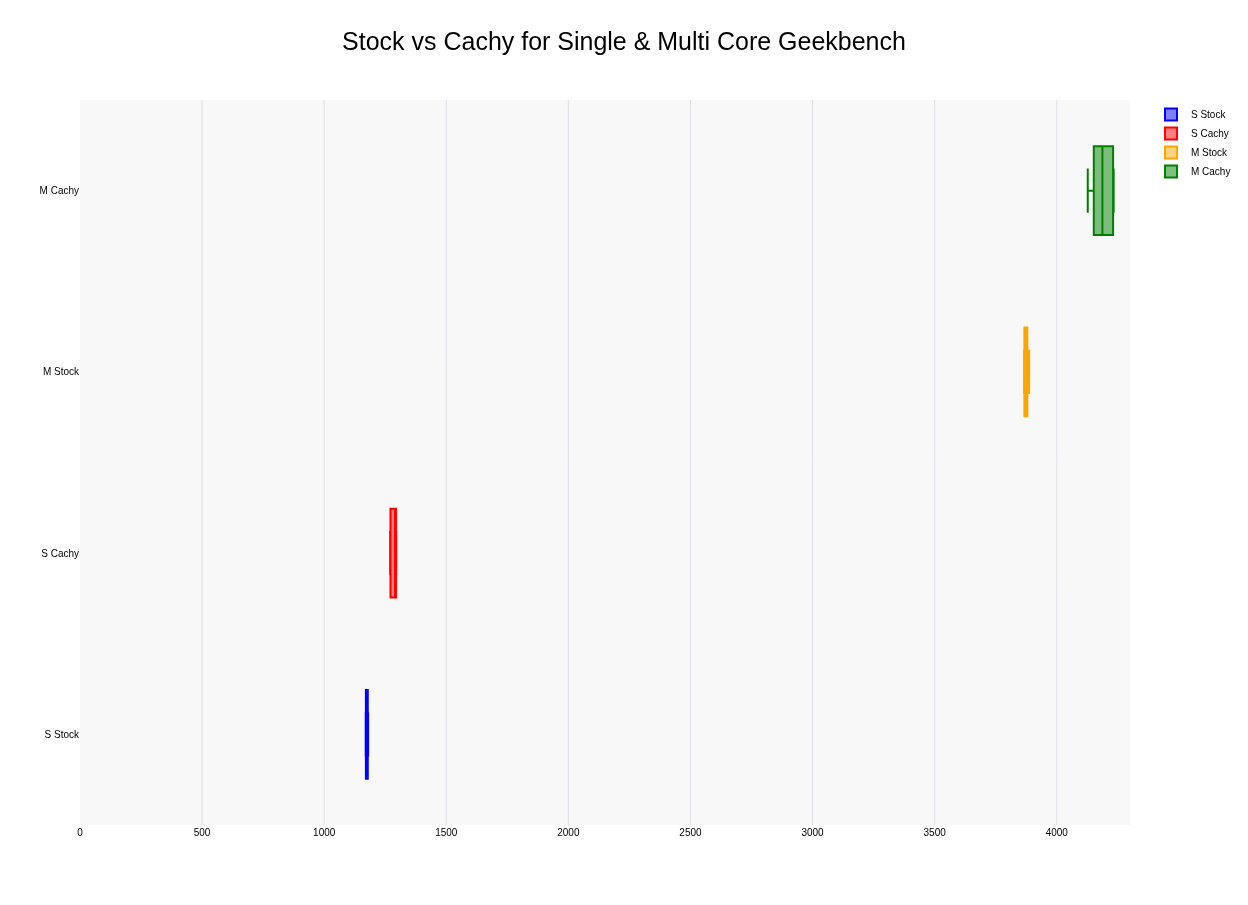
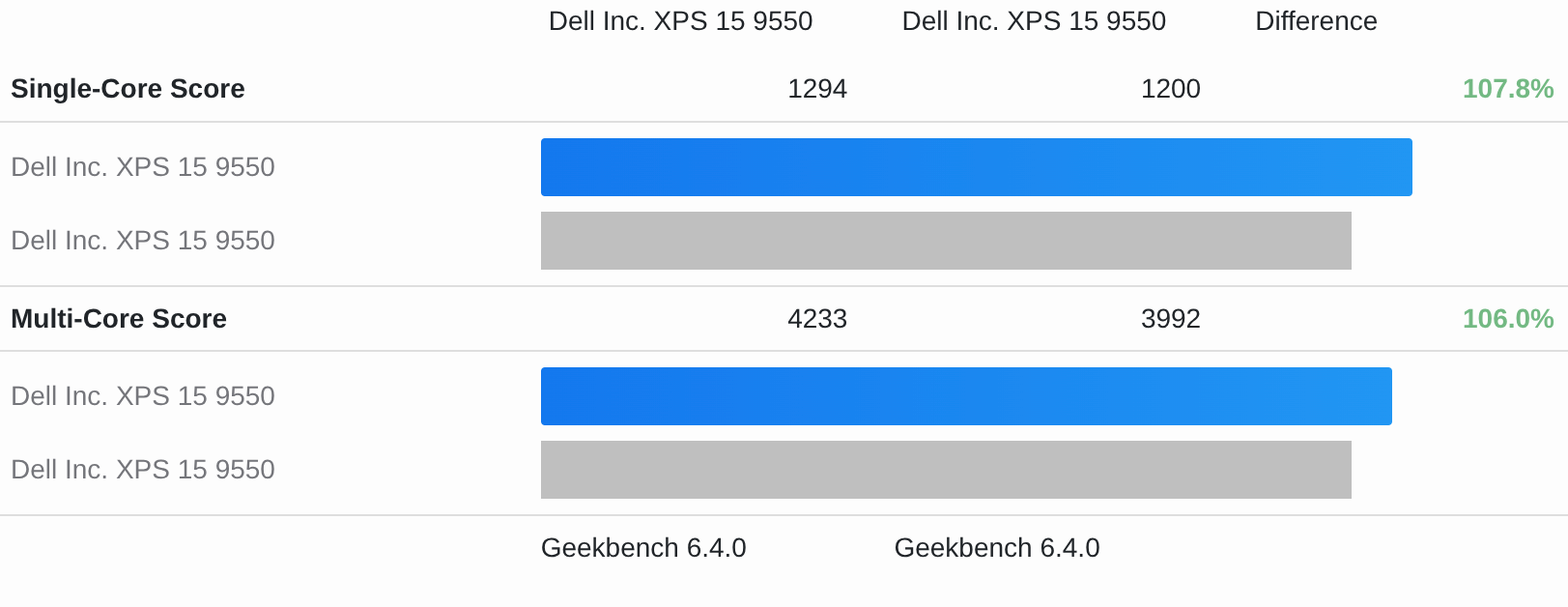
I’ve heard praise about the kernel performance with CachyOS, and was looking to replicate it a bit on NixOS when I learned about Chaotic’s Nyx. After simply swapping to their Link-Time Optimization kernel varent, I’m noticing a ~10% single and ~8% multi core geekbench scores improvement after repeated testing on my 10yo laptop:
I’m also seeing no measurable difference in idle watt draw in power saving mode. For such an impressive gain for so small a change, is this replicable for others?
What’s the “catch” here (pun intended) for desktop users? Having to rely on out-of-tree kernel patches? Are there laptop workloads that BORE scheduler fails on? Any caveats in using LTO kernels on x86 hardware younger that 10 years?
Could you compare the performance of CachyOS Kernel vs 6.16 instead of 6.12? Not saying that the results would change, just that comparing different Linux kernel versions seems a bit weird and I’m also just interested in seeing how does 6.16 fare compared to 6.12
Yeah, I was surprised to realize how far ahead the Linux mainline was with respect to the default from the unstable channel. What would you suggest I retry exactly, pkgs.unstable.linuxPackages_6_16?