I stripped the code I had for my machines to update on shutdown into its own module that people can use. Periodically it activates, and if the laptop/computer is connected to AC or has enough battery on shutdown it updates:
It only gets activated on shutdown, not on reboots (this is not configurable yet, if anyone uses this and wants more options or a feature like this please make an issue so I can gauge interest!). But queues the update again after reboots.
Updating randomly during usage often would slow the computer down a lot, especially if there were unfree packages that had to be built (cuda), custom packages, or overrides. So this was a much better way for me to handle updates.
It was non-trivial so I decided to create a module for it. It uses a lingering systemd stop script to achieve updates only on shutdown, and has a bunch of services it keeps around during the process. Everything else gets killed by systemd so it runs in a very minimal environment with (hopefully) a lot of RAM available.
It is expected to be ran with a remote flake (maybe that updates itself through for example a GitHub action).
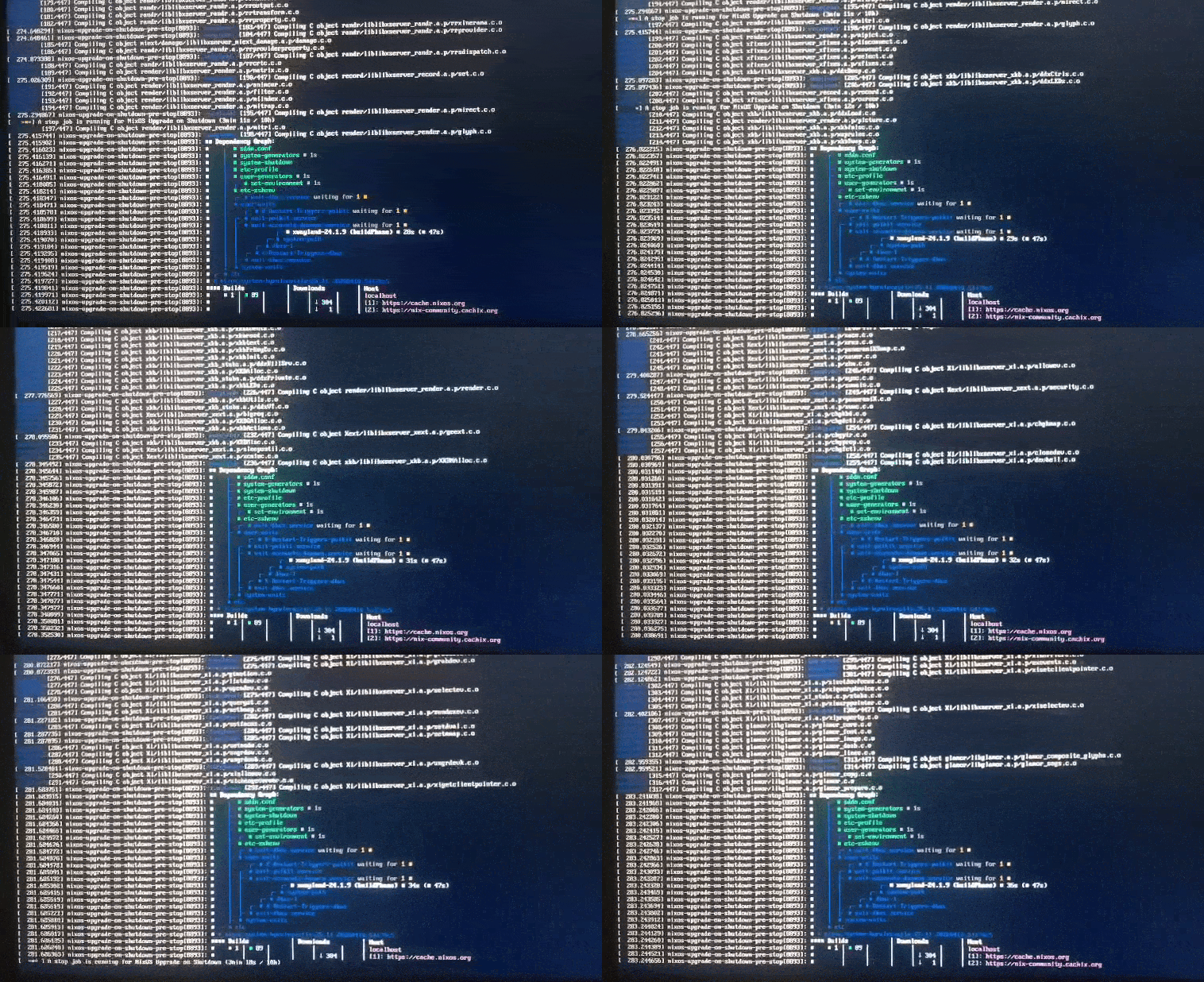
By default it uses nix output monitor, so as long as the shutdown info isn’t set to “quiet” we can see what it does:
After being imported, it can be enabled with:
system.autoUpgradeOnShutdown = {
  enable = true;
  flake  = "github:youruser/nixos-config";
  host = "yourhost";
};
By default it activates roughly twice per month.

